29 Apr 2026
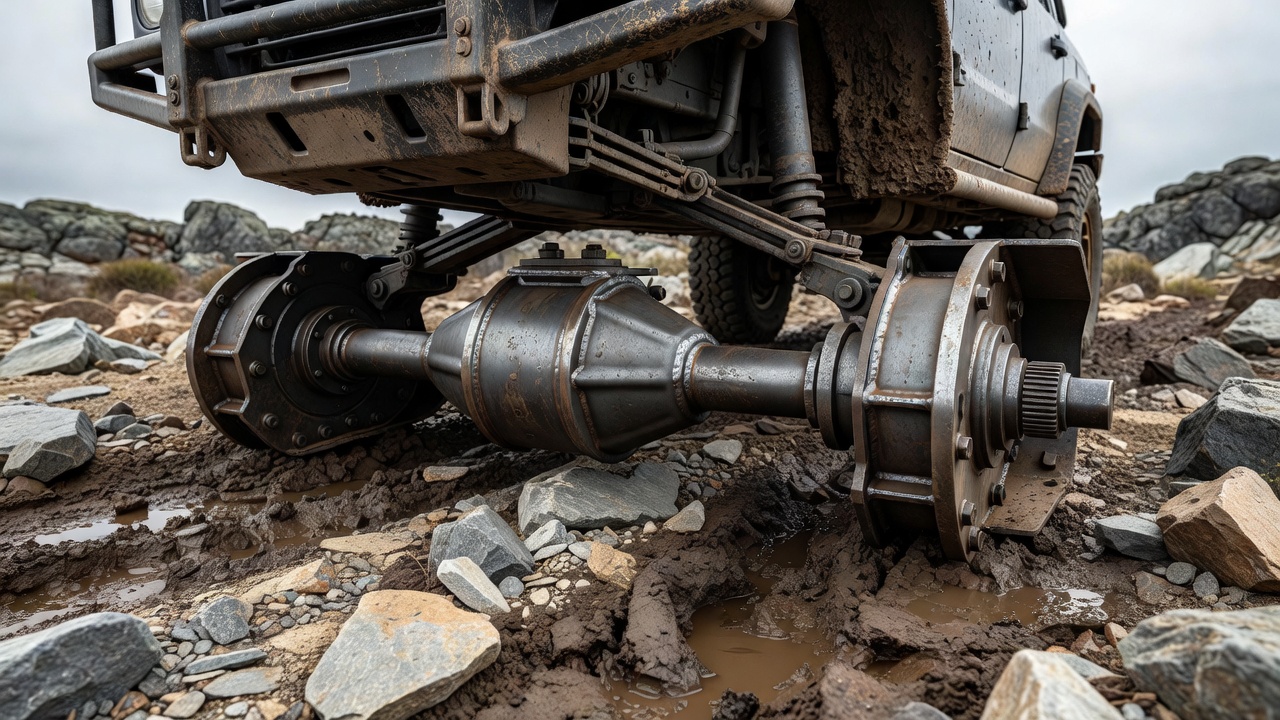
Waypointaxle serves as a fundamental element in many vehicle systems, providing structural support and enabling smooth movement across various terrains. Its design focuses on durability and precision, making it suitable for both commercial and personal transportation needs. Understanding its function helps vehicle owners appreciate how it contributes to overall stability and efficiency during operation.
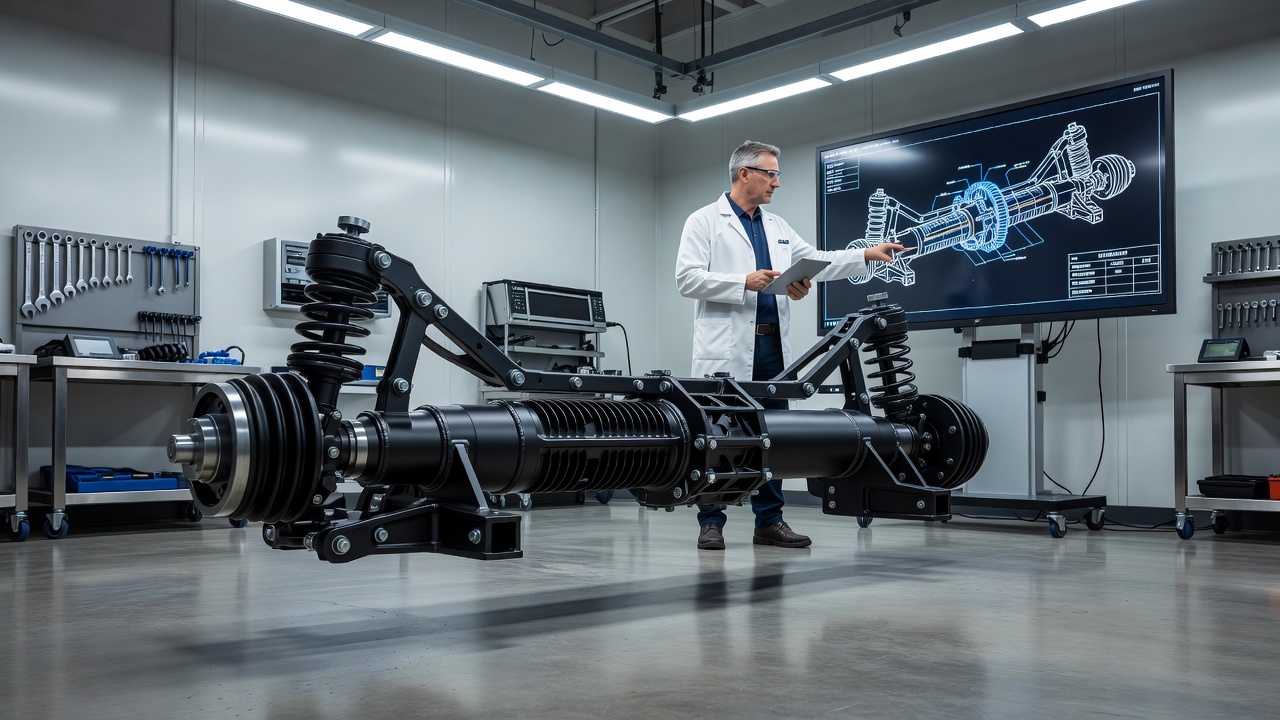
Core Components and Functionality
The axle system integrates bearings, shafts, and housings to distribute weight evenly while allowing wheels to rotate independently. This setup reduces friction and supports load-bearing requirements in trucks, trailers, and specialized equipment. Proper alignment ensures consistent performance, minimizing wear on related parts like tires and suspension. Regular inspections can identify early signs of stress, such as unusual vibrations or noise, which may indicate the need for adjustment or replacement.
Applications Across Different Sectors
In logistics, Waypointaxle supports heavy-duty hauling by maintaining balance under substantial loads. Agricultural machinery benefits from its robust construction, which handles uneven fields without compromising traction. Off-road enthusiasts rely on reinforced versions for enhanced ground clearance and maneuverability. Selecting the appropriate specifications, including material strength and size, aligns the axle with specific operational demands and environmental conditions.
Maintenance Practices for Extended Use
Routine lubrication of moving parts prevents corrosion and extends service life. Monitoring for leaks or damage during scheduled checks supports safe operation. When issues arise, consulting manufacturer guidelines ensures repairs restore original performance standards. These steps promote reliability and help avoid unexpected disruptions in daily vehicle use.