29 Oct 2026
Supply Chain Influences on Axle Component Sourcing Strategies
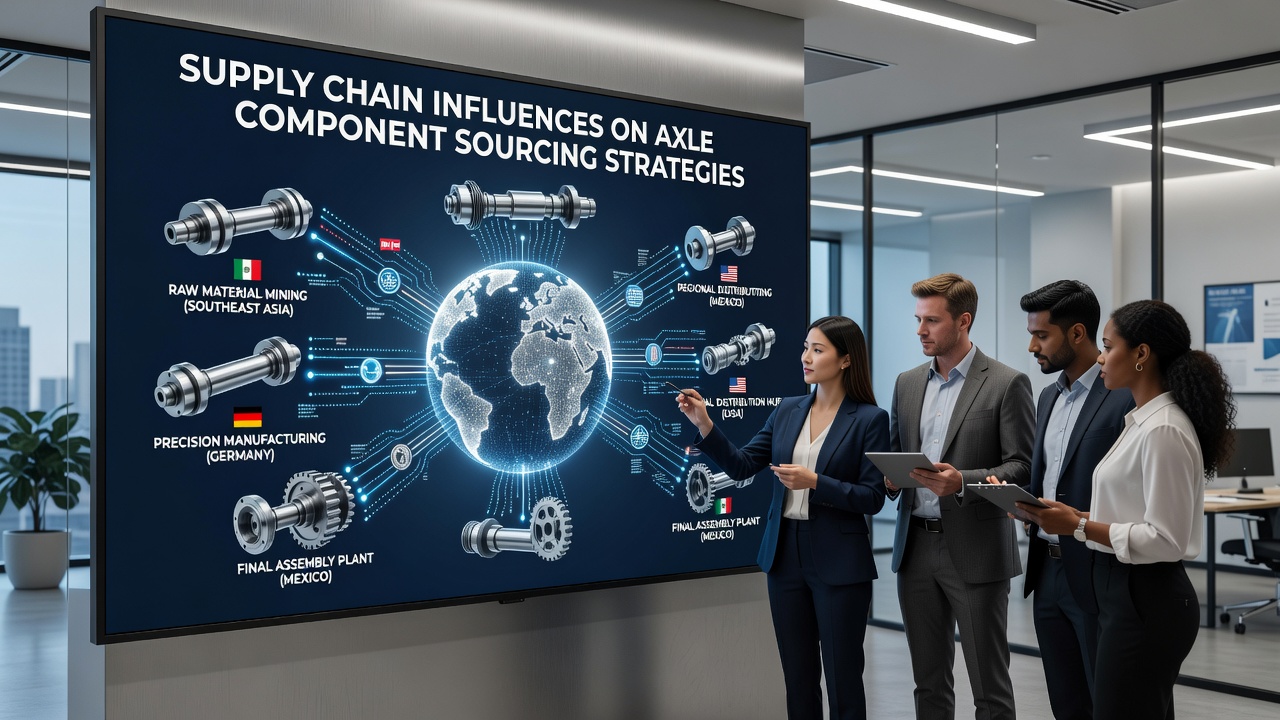
Supply chain dynamics shape how manufacturers approach axle component sourcing, and these pressures have intensified since the disruptions of recent years. Data from government agencies shows that automotive parts suppliers face ongoing challenges with raw material availability, transportation costs, and supplier reliability, which directly affect decisions on where and how to procure axles, gears, and related assemblies.
Global Trade Patterns and Material Sourcing
Trade policies and regional agreements determine much of the cost structure for axle components, since steel, aluminum, and specialty alloys often cross multiple borders before final assembly. According to figures from the US Department of Commerce, tariffs on imported steel have prompted many North American vehicle producers to diversify their supplier bases beyond traditional overseas sources, while simultaneously expanding contracts with domestic mills. Researchers at Eurostat have documented similar shifts across the European Union, where companies balance compliance with carbon border adjustment mechanisms against the need for consistent material quality.
Logistics networks add another layer of complexity because axle components are bulky and require specialized handling during transit. Disruptions at major ports or shortages of shipping containers can extend lead times from weeks to months, forcing procurement teams to maintain larger safety stocks or renegotiate terms with carriers. Studies by the World Bank indicate that just-in-time inventory models have given way to more resilient approaches that incorporate buffer capacity and multi-modal routing options.
Geopolitical and Regulatory Pressures
Political developments continue to influence sourcing strategies, particularly when sanctions or export controls target key producing regions. Manufacturers have responded by qualifying additional suppliers in politically stable locations, a process that often takes twelve to eighteen months and involves extensive quality audits. Observers note that regulatory requirements around traceability and forced labor prevention have also expanded documentation demands, requiring firms to map their entire upstream supply chains with greater precision.
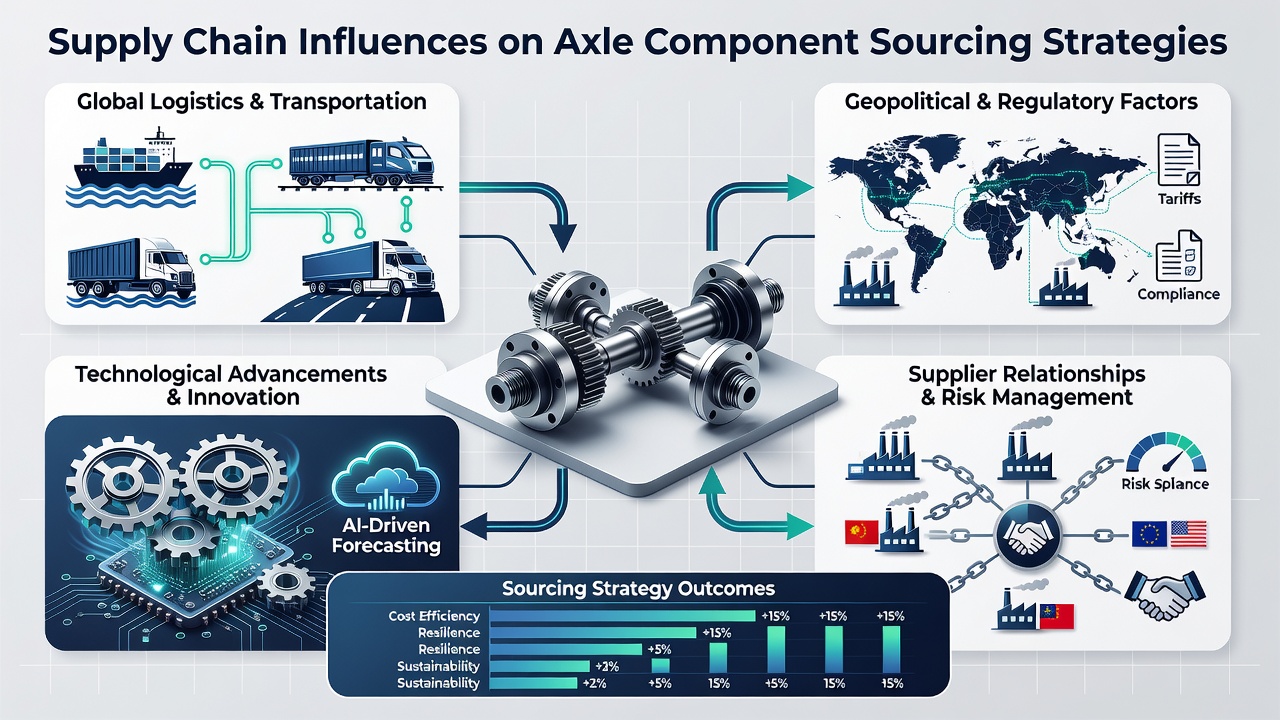
Environmental regulations are reshaping material choices as well. New standards scheduled for implementation in October 2026 in several jurisdictions will tighten limits on embodied carbon in automotive parts, which may accelerate adoption of recycled content and lower-emission production methods for axle housings and shafts. Industry reports show that suppliers investing early in these technologies gain preferential access to contracts with original equipment manufacturers seeking to meet their own sustainability targets.
Technology and Risk Management Tools
Digital platforms now play a central role in sourcing decisions by providing real-time visibility into supplier performance, inventory levels, and potential bottlenecks. Predictive analytics allow procurement teams to model different disruption scenarios and adjust orders accordingly, while blockchain-based tracking systems help verify the origin and handling of critical components. Data from the Australian Bureau of Statistics reveals that firms adopting these tools have reduced unplanned downtime related to axle part shortages by measurable margins in recent reporting periods.
Collaboration between buyers and suppliers has also evolved. Long-term agreements now frequently include clauses for shared investment in capacity expansion and joint development of alternative materials, which helps stabilize pricing and availability over multi-year horizons. Those who have studied automotive supply chains note that such partnerships become especially valuable when raw material prices fluctuate rapidly due to energy costs or mining output changes.
Strategic Responses and Diversification
Companies are spreading risk across multiple geographic regions rather than concentrating purchases in a single country or supplier cluster. Nearshoring initiatives have gained traction in both North America and Europe, where proximity reduces transit times and simplifies compliance with local content rules. At the same time, some organizations maintain limited relationships with Asian suppliers for cost-sensitive components while reserving domestic sources for high-specification or safety-critical parts.
Inventory strategies have shifted accordingly, with many firms moving away from minimal stock levels toward tiered buffers that reflect the criticality and lead time of each axle component. This approach requires careful analysis of demand forecasts and supplier reliability metrics, yet it provides protection against the type of sudden shortages that halted production lines in earlier crises.
Conclusion
Supply chain influences on axle component sourcing continue to evolve as trade conditions, regulations, and technologies change. Manufacturers that track these factors closely and adjust their procurement networks accordingly position themselves to maintain steady production despite external pressures. Ongoing data collection from regulatory bodies and research institutions will remain essential for refining these strategies as new developments unfold.