5 Jun 2026
Introduction to Waypointaxle
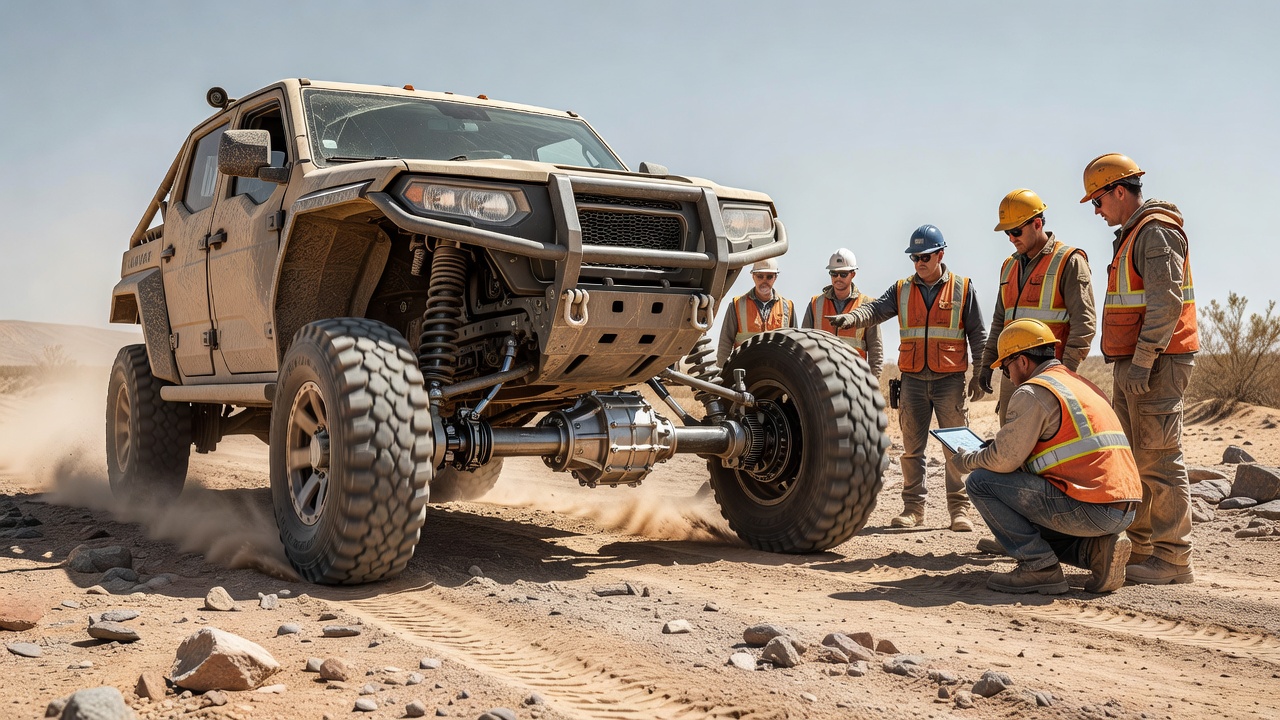
Waypointaxle refers to a specialized axle technology designed for enhanced vehicle stability and load management. It integrates precision engineering with durable materials to support various transportation needs. Users often select Waypointaxle for its balance of strength and efficiency in demanding environments.

The core concept revolves around optimized weight distribution. This helps reduce wear on other vehicle components while maintaining consistent performance across different terrains. Professionals in logistics and construction value these attributes for daily operations.
Key Design Elements
Waypointaxle incorporates advanced metallurgy and alignment features. These elements allow for better torque handling and reduced vibration during extended use. The design prioritizes compatibility with standard vehicle frames, making installation straightforward for technicians.
Additional aspects include corrosion-resistant coatings and modular construction options. Such features support customization based on specific axle lengths or load capacities. Maintenance routines typically involve routine inspections of seals and lubrication points to ensure longevity.
Compatibility with monitoring systems adds another layer of utility. Operators can track performance metrics without specialized tools in many cases.
Practical Applications and Advantages
In commercial settings, Waypointaxle supports heavy-duty transport by improving fuel economy through efficient power transfer. Fleet managers report fewer downtime incidents when using these axles compared to conventional alternatives. Agricultural equipment also benefits from the robust build, which withstands exposure to soil and moisture.
Overall advantages center on reliability and cost-effectiveness over time. The technology minimizes the need for frequent replacements, contributing to sustainable vehicle management practices. Selection should consider vehicle specifications and intended usage patterns to maximize results.
Consulting manufacturer guidelines provides the best path for integration and ongoing care.